August 1, 2025
Kaidi Tingas
Kassari coastal meadows charm with their scale and diversity
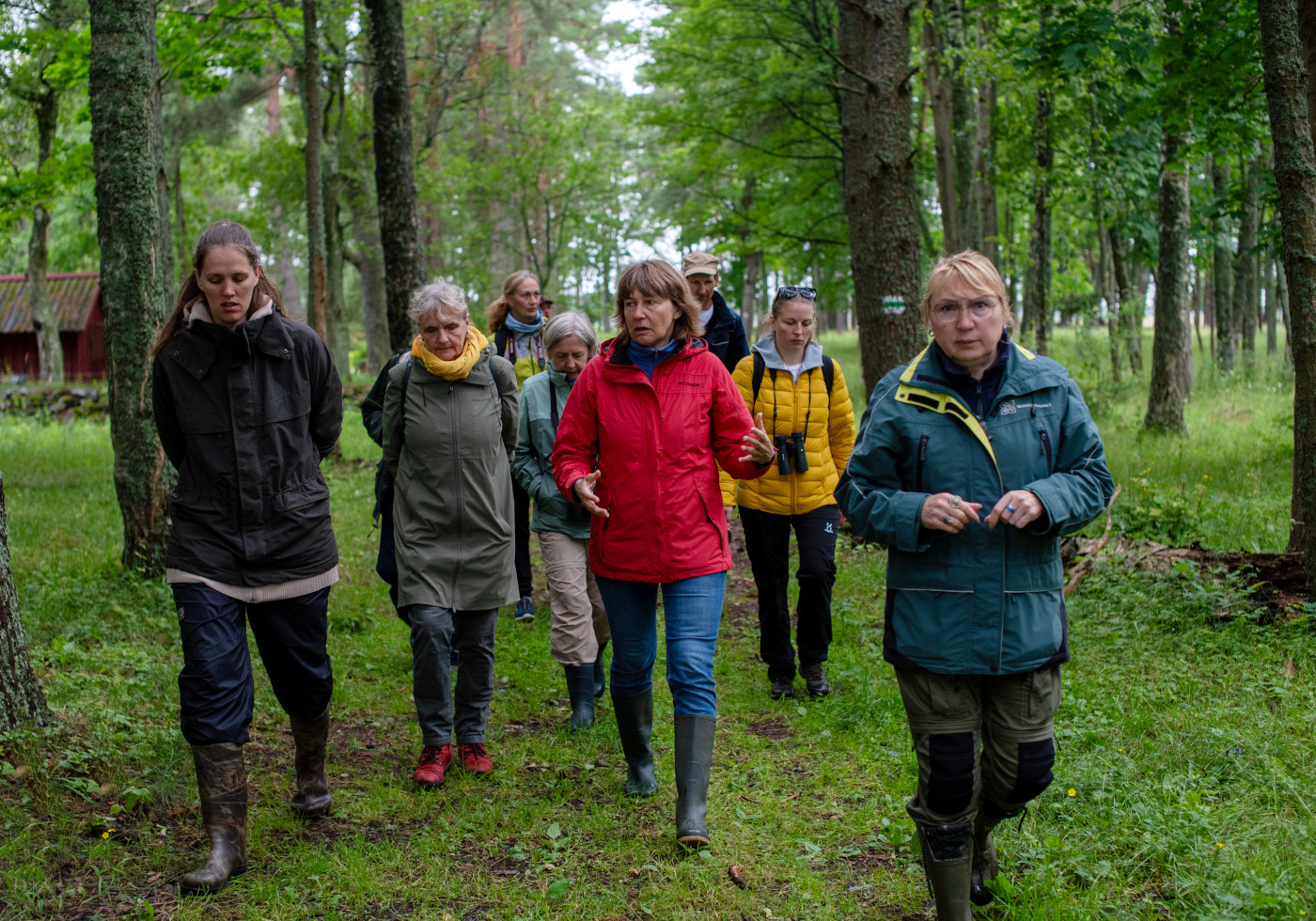
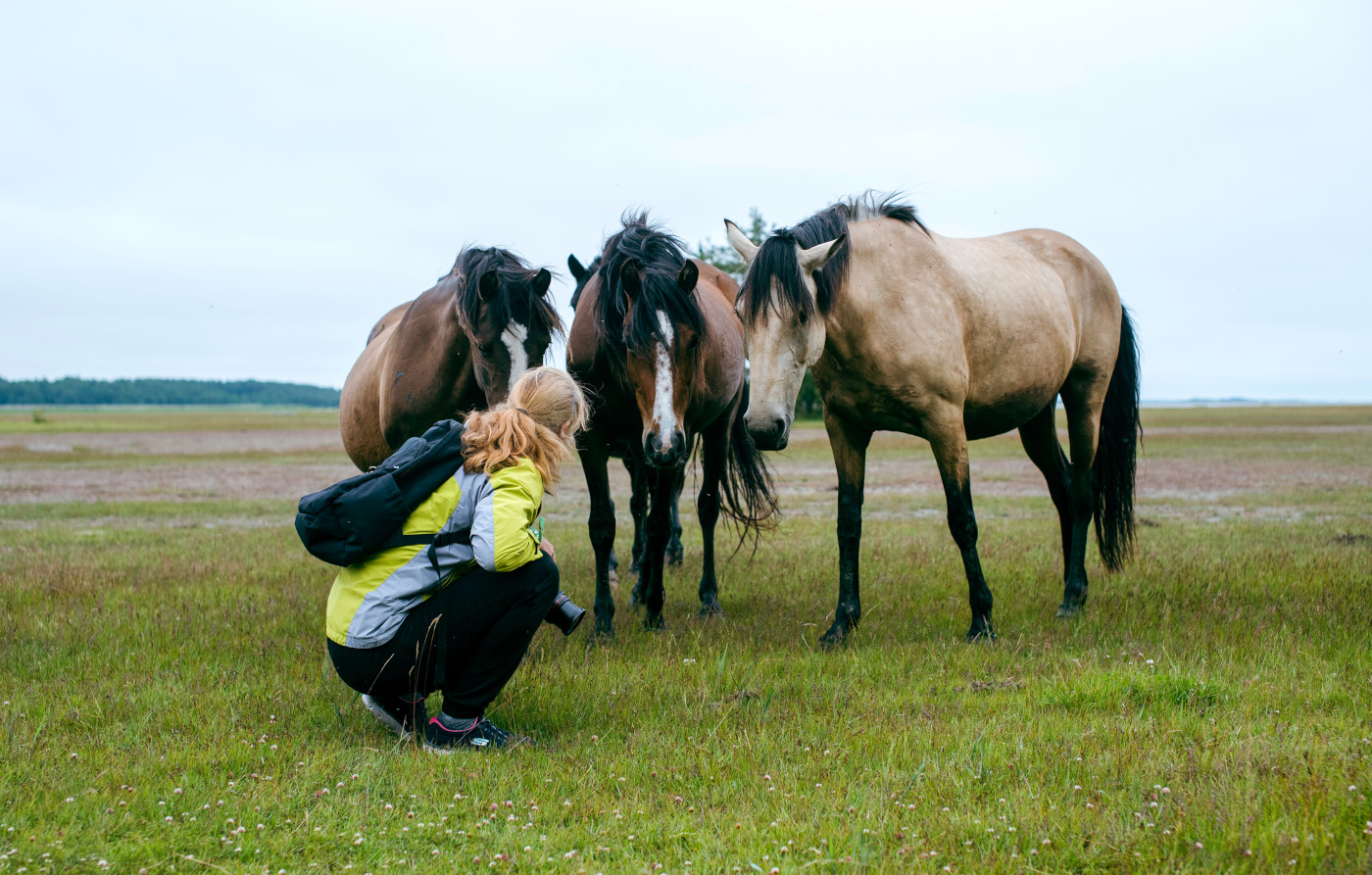
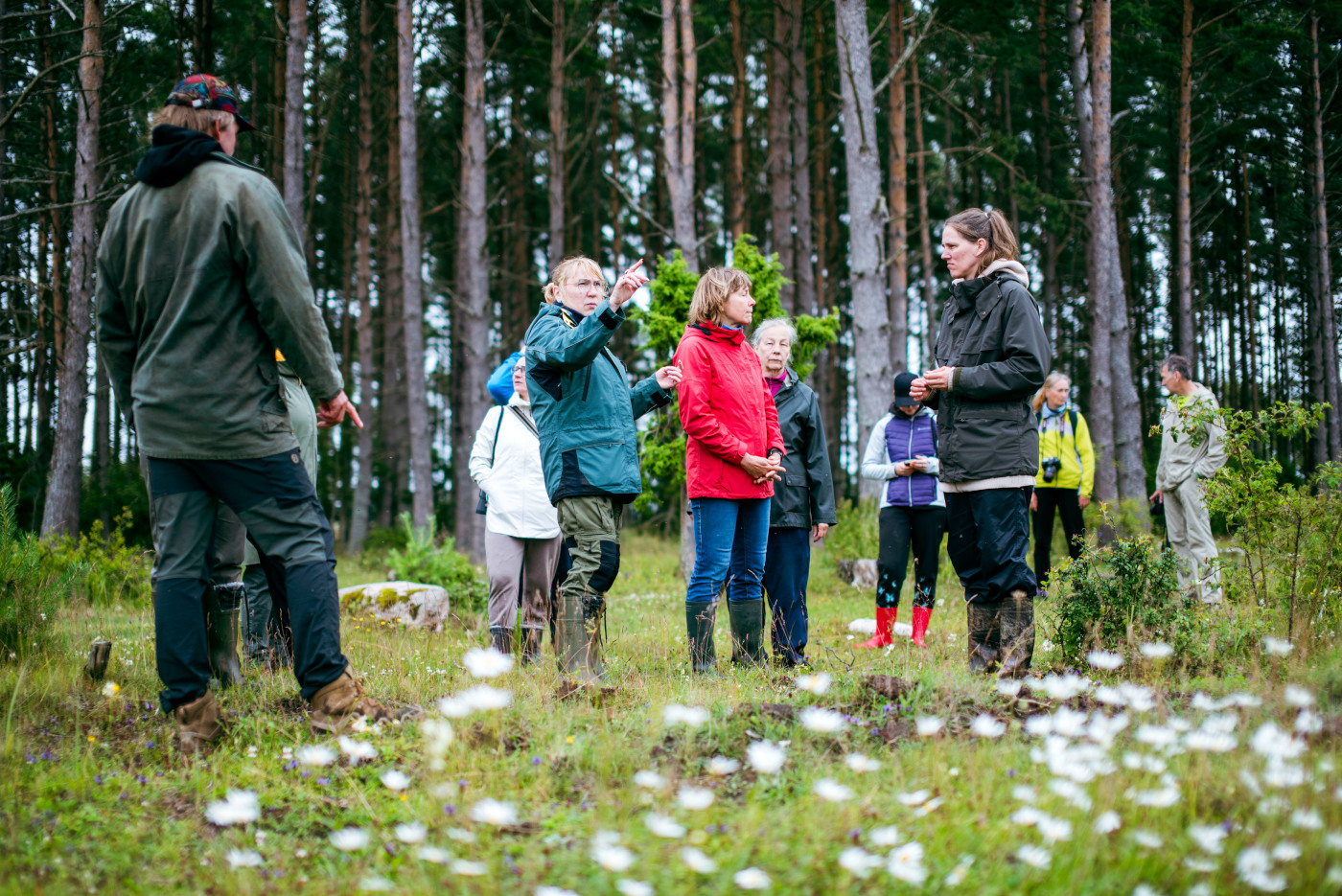
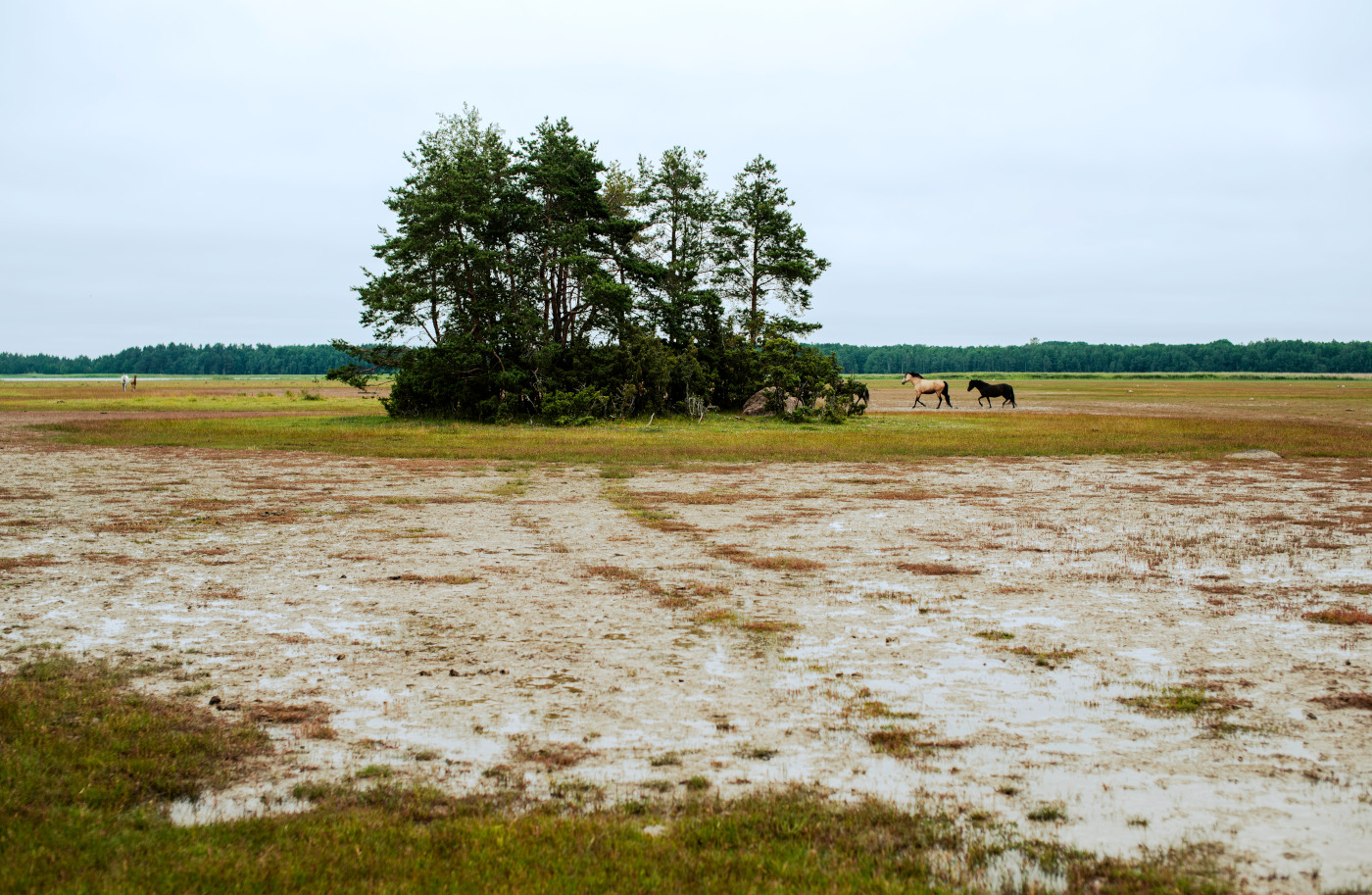
This year, we were fortunate enough to be able to get our foot in the door of Hiiu Folk, where we had the opportunity to organise one of the folk festival’s traditional nature trips. Our trip took us to Kassari’s diverse coastal meadows, which are grazed by horses and cattle belonging to the Tikk family – voted last year’s best managers of meadows and the favourites of Maaleht readers – and where, despite the bustling morning and early hours, 30 folk festival goers had arrived to explore the area.
Riinu Rannap, a scientist specialising in wetlands and amphibians, reminded the gathered group that coastal meadows are home to many endangered waders and amphibians, and are also one of Europe’s most endangered meadow habitats, having been drained and forested over time. Additionally, meadows that are not grazed on tend to become overgrown, which leaves species such as the southern dunlin, the black-tailed godwit, the common redshank, and the ruff, which search for food and nest on the ground, without a traditional habitat. It has been established that a southern dunlin needs an area of open meadow at least 200 metres wide to build its nest, and it will not build a nest once its traditional habitat has become overgrown with juniper.
In coastal pastures that are too narrow and forested, waders are threatened by foxes and, in some cases, raccoon dogs and jackals, which enjoy eating birds’ eggs. On the meadows of Hiiumaa, foxes have become quite bold, digging their burrows in the middle of the meadows and collecting birds’ eggs.
However, the situation is not entirely hopeless – the Tikk family’s coastal pasture is precisely where all of the existing lesser white-fronted geese in the world have stopped during their spring migration to Norway for the last seven years! According to ornithologists, they arrived on 13 April this spring, rested, and left on 1 May.
Kaie Sarv, from the Hiiumaa, who works at the Environmental Board’s Land Management Bureau, and knows all the meadow caretakers on Hiiumaa like the back of her hand, and cares for all of them as if they were her own, directed the attention of the visitors to Kassari’s restored areas. It was thanks to Kaie’s involvement that our project had the courage to undertake the restoration of Hiiumaa’s coastal meadows, because, let’s not forget, the 20 coastal meadows to be restored have around 250 owners, with whom we had to discuss the restoration activities, get their consent, think things through, fill out support documents and find the best solutions. Without Kaie, there would be no restoration of coastal meadows in Hiiumaa!
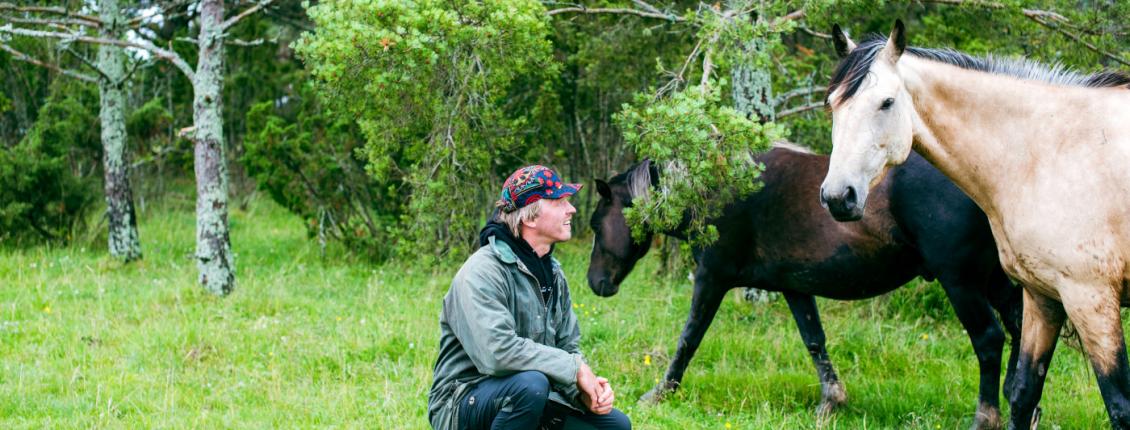
And without the land caretakers, the restoration of meadows would not be possible at all! The enthusiasm and expertise of Joosep Tik, in talking about both the Vesimaa meadows and the animals caring for them, gave the assembled people a good insight into the management of coastal meadows.
As always in Hiiumaa, some people had to rush to catch the ferry, but many stayed and enjoyed a trip lasting almost three hours, promising to return next year. Thank you very much to them and to Hiiu Folk!