August 6, 2025
Kaidi Tingas
Experience of controlling alien species shared with environmental specialists in municipalities
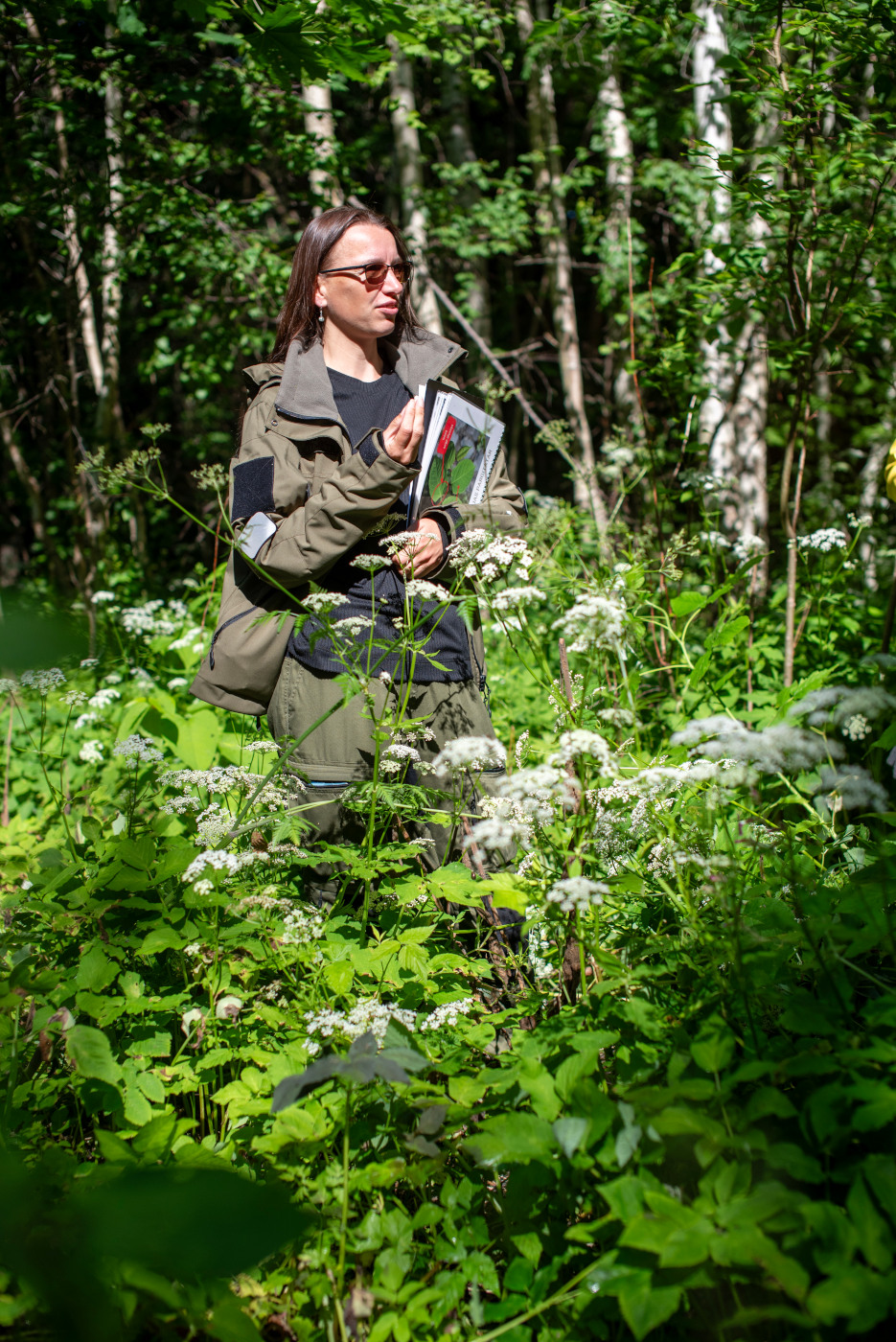
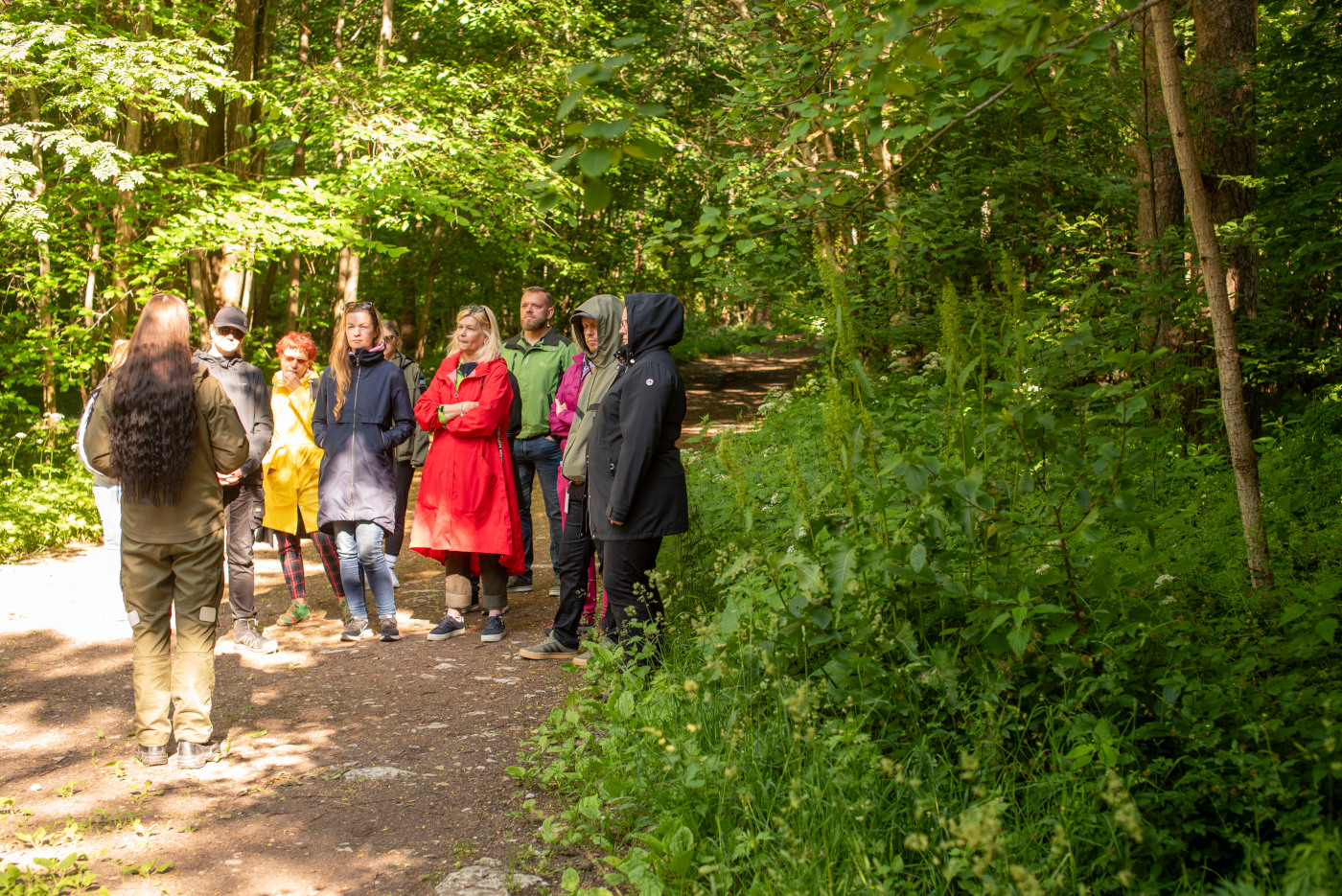
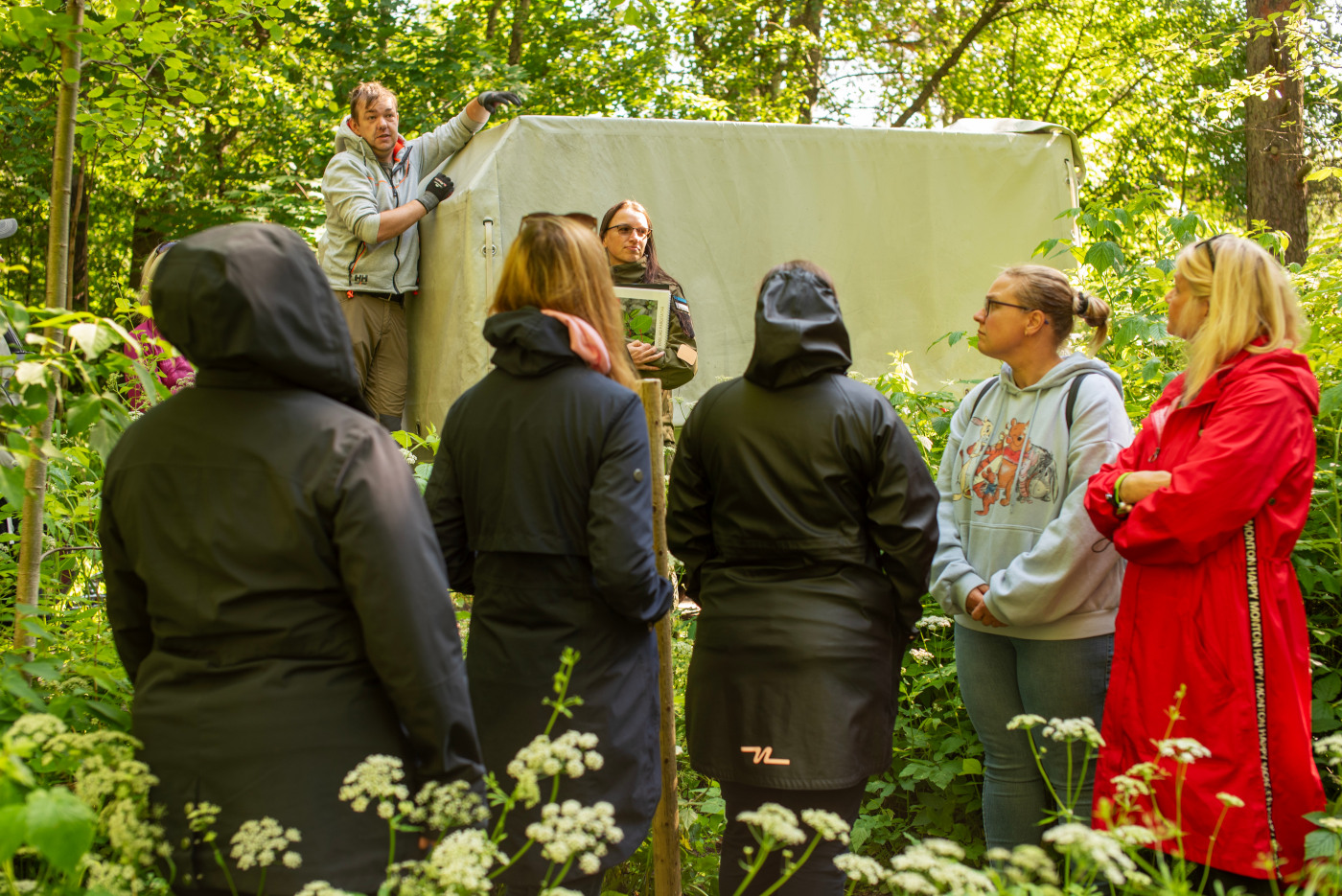
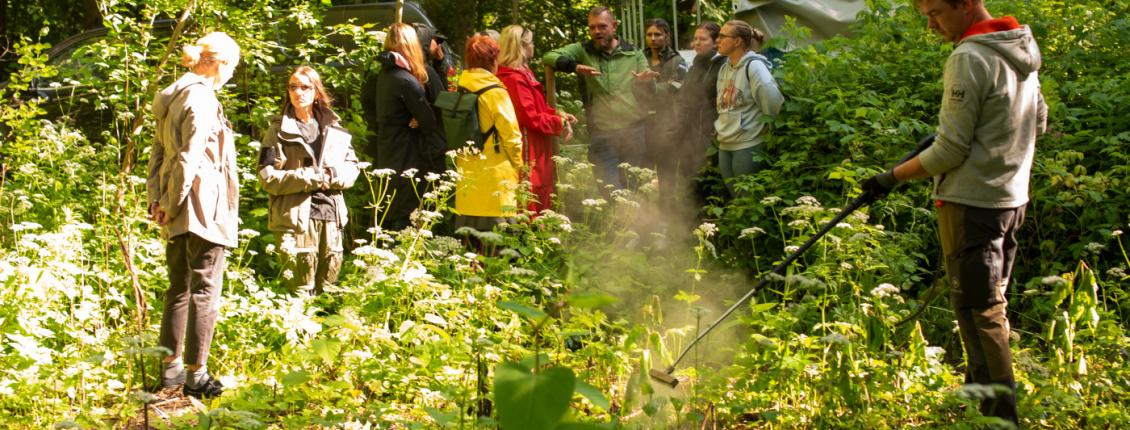
In July, we invited environmental specialists and other interested parties from local governments to visit the alien species control areas. The aim was to share their experiences controlling four alien species (knotweed, false spiraea, Canada goldenrod and goldenrod, and the common snowberry) so far, and to discuss the challenges faced by rural municipalities in relation to alien species.
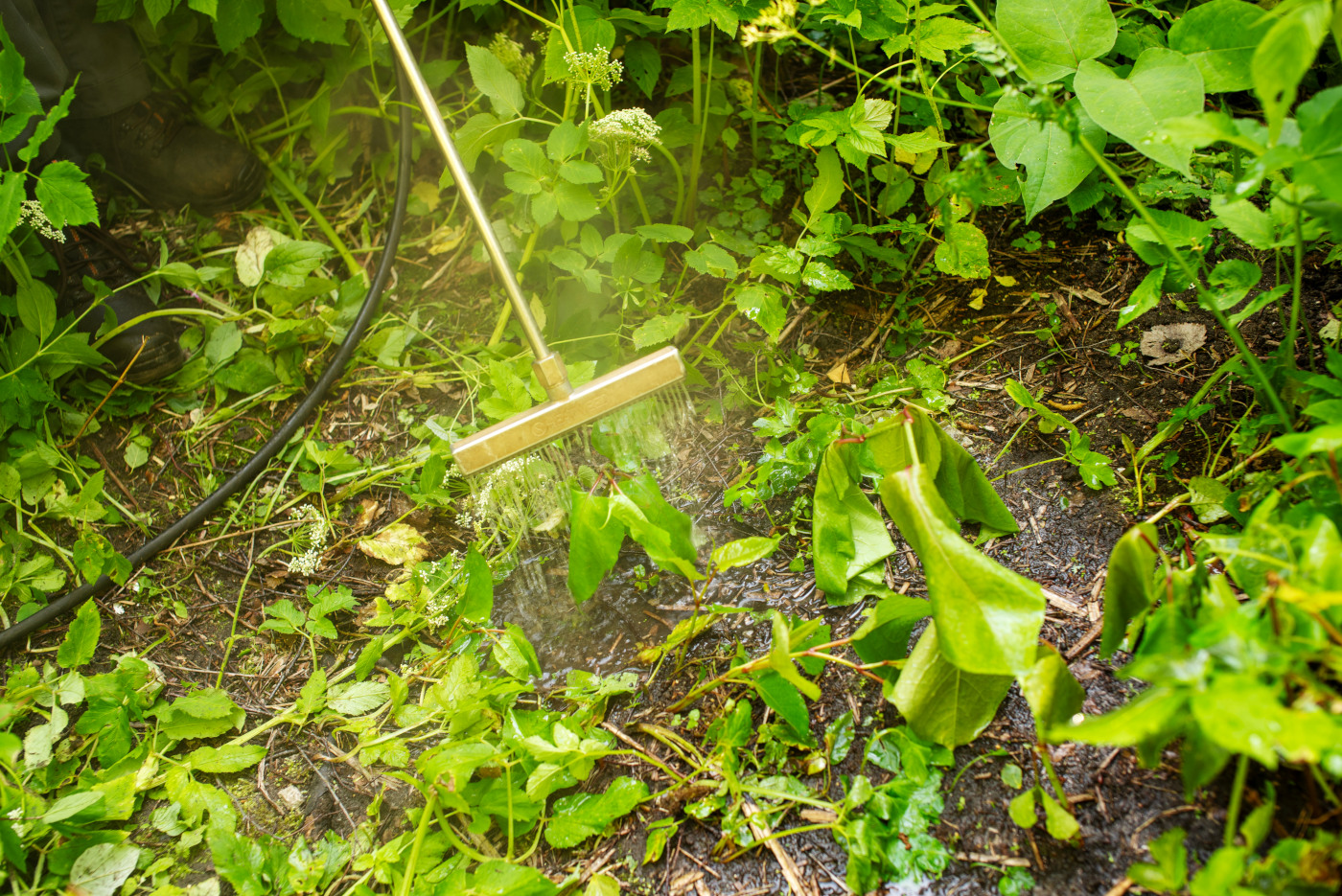
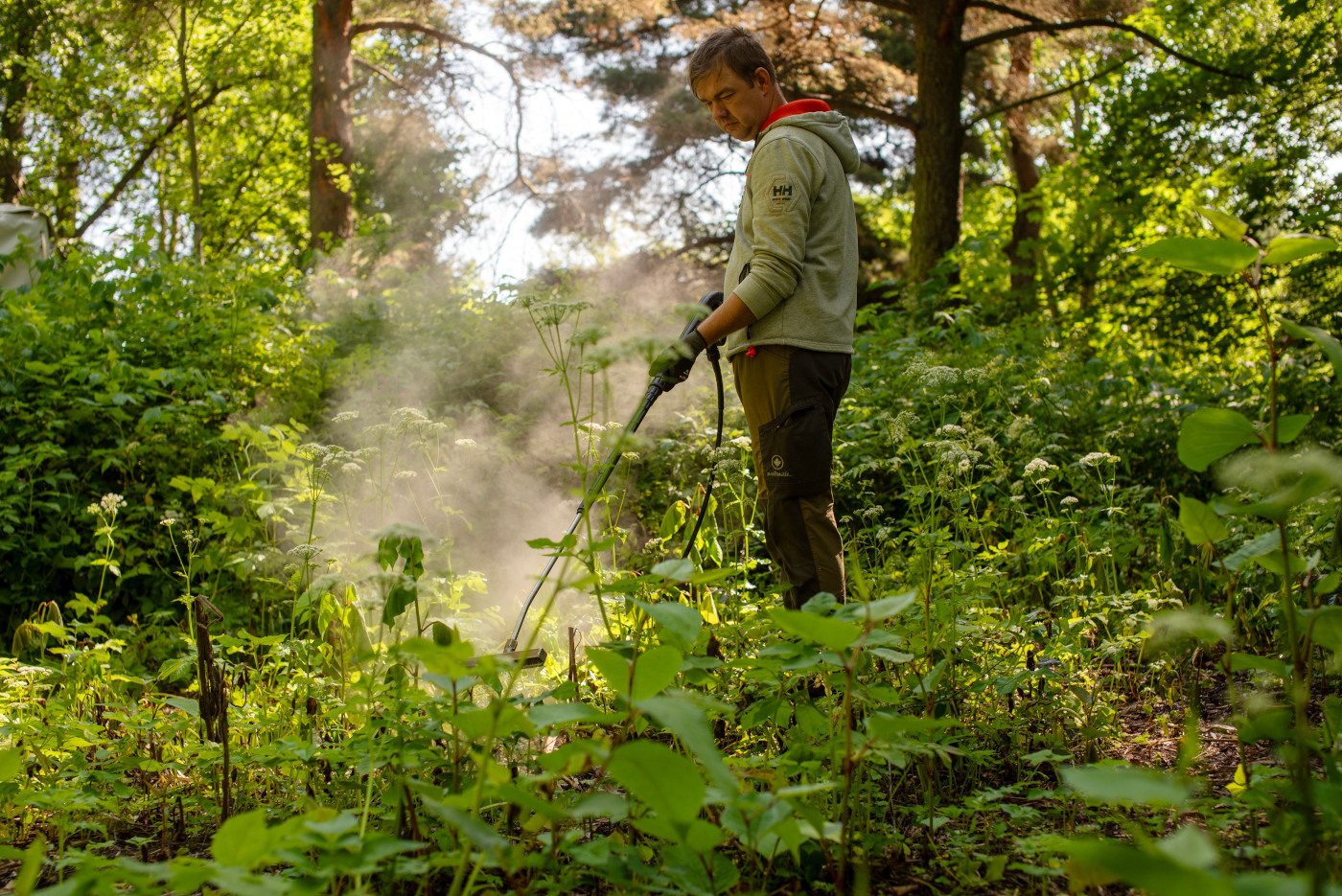
As expected, the biggest problem for rural municipalities around Tallinn is the Spanish slug, while the knotweed is the biggest problem when it comes to plants. After we also provided a demonstration of the steam machine in the knotweed control area of Merimetsa Park, municipality environmental specialists suggested buying a similar machine, which could be shared by several municipalities. They also proposed finding sources of support for this, e.g. from the programmes of the Environmental Investment Centre.
We hope that this idea will develop further and that rural municipalities will assume a greater role in controlling alien species and in informing people about the dangers they pose.
Just this week, 26 new species were added to the European Union’s list of dangerous alien species, including three new knotweeds: Japanese knotweed, giant knotweed, and bastard knotweed. Although their cultivation and sale has been prohibited in Estonia since 2007, the ban is now also being imposed across the European Union.
Canada goldenrod and goldenrod are also on Estonia’s list of invasive alien species, and the Nature Conservation Act prohibits their cultivation. Common snowberry and false spiraea are also non-native species that form large, dense and exceptionally robust growth, leaving very little room for other plants to grow.
In the test areas, we are trialling various control methods, including hot steam treatment, geotextile coating, cutting, herbicide treatment and shredding plants with a brush cutter.