September 17, 2025
Kaidi Tingas
What did we do last summer? We were in the field!
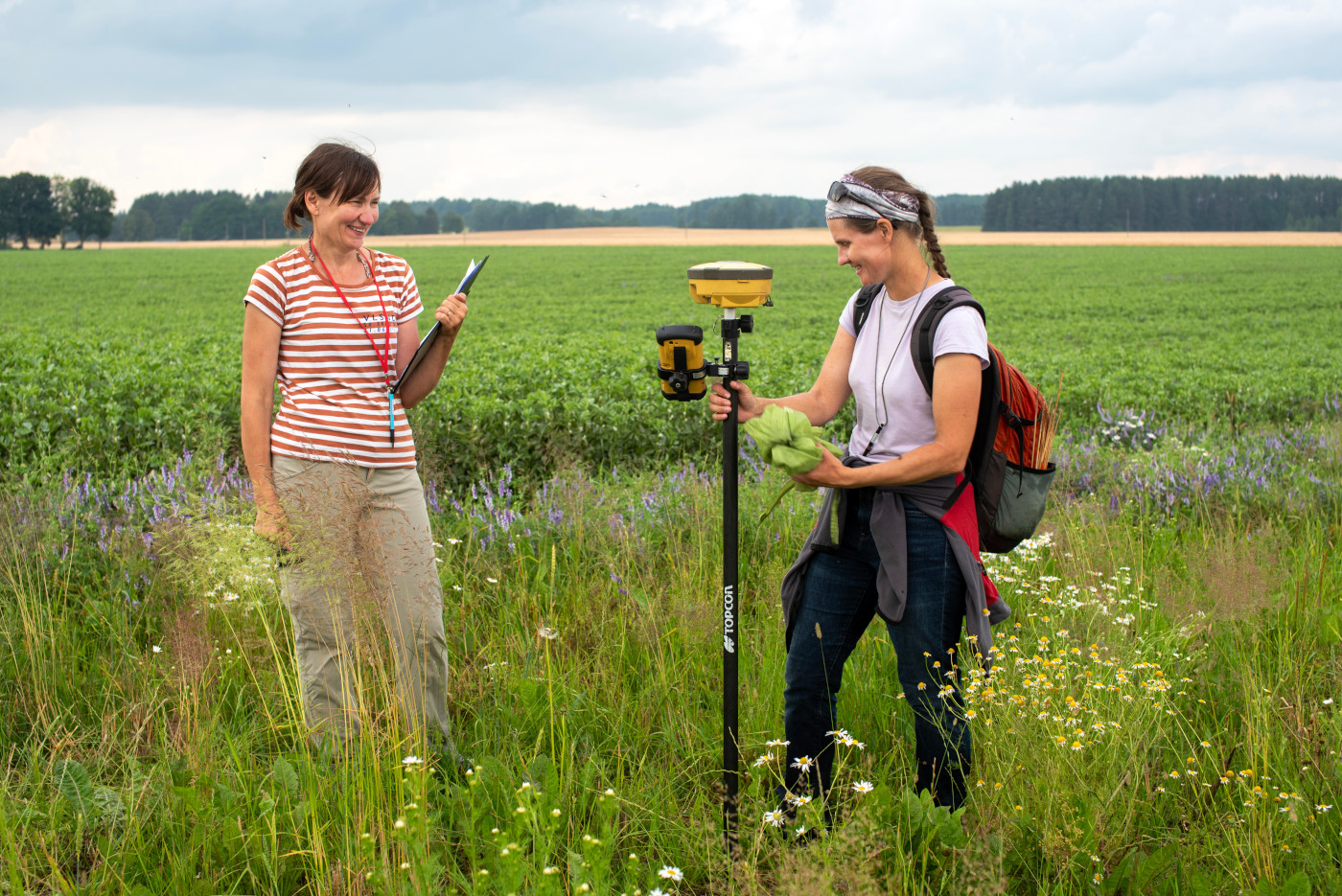
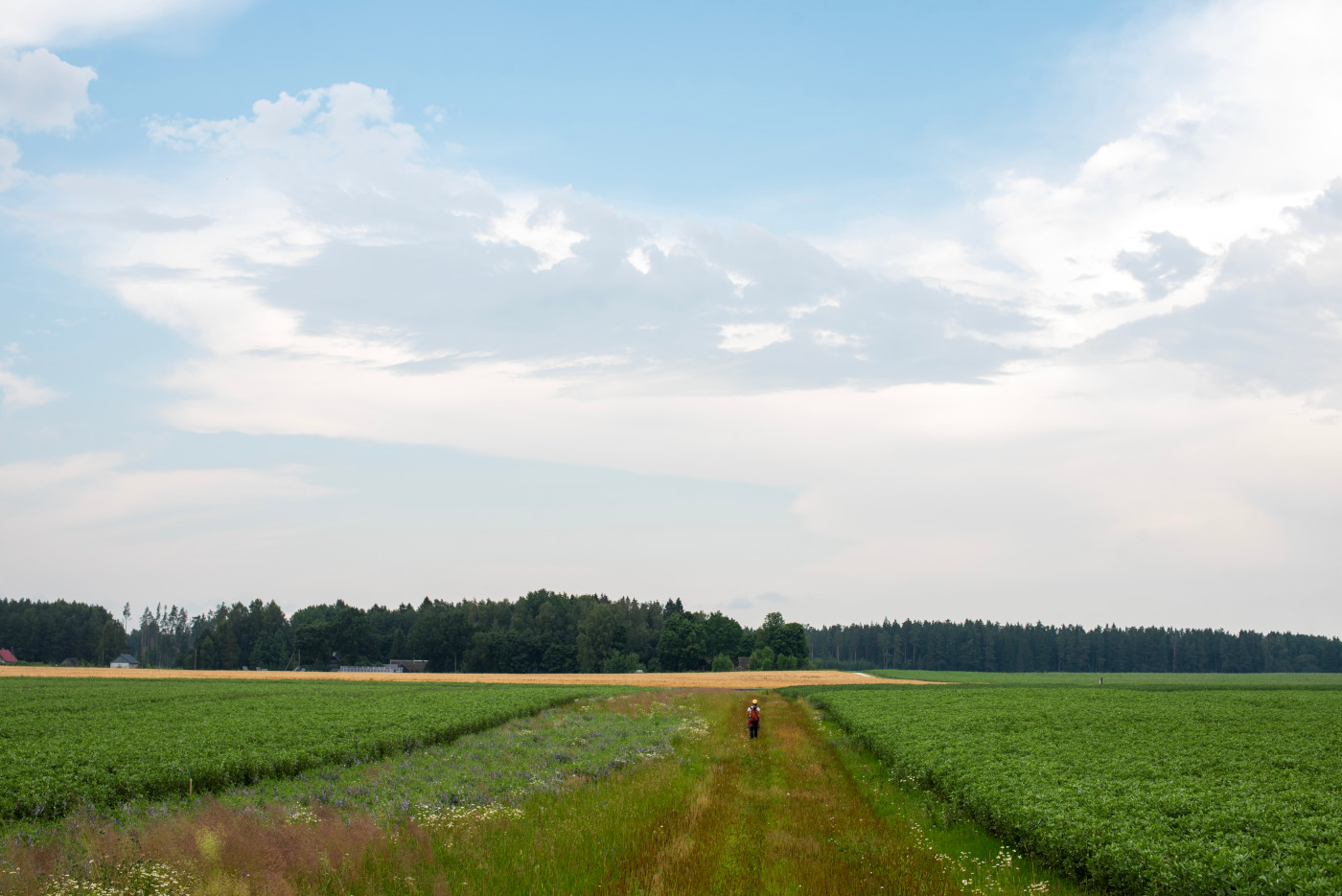
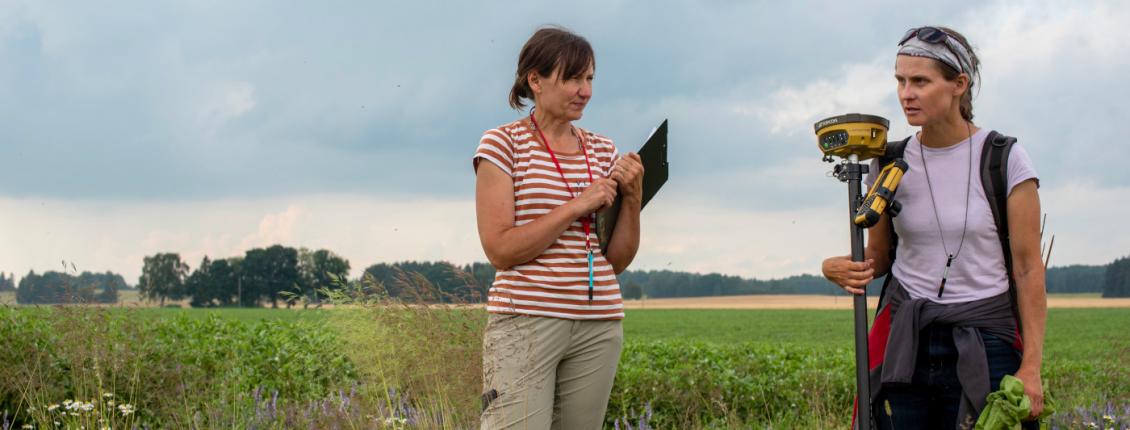
Krista Takkis and Katrin Tambet, who are members of our working group on the diversity of agricultural landscapes, visited all the grassland strips sown on the fields over a period of two years. They also compiled more than 200 plant lists and examined 150 plants in the sample square in greater detail. They did a very good. They often spent nine hours a day walking.
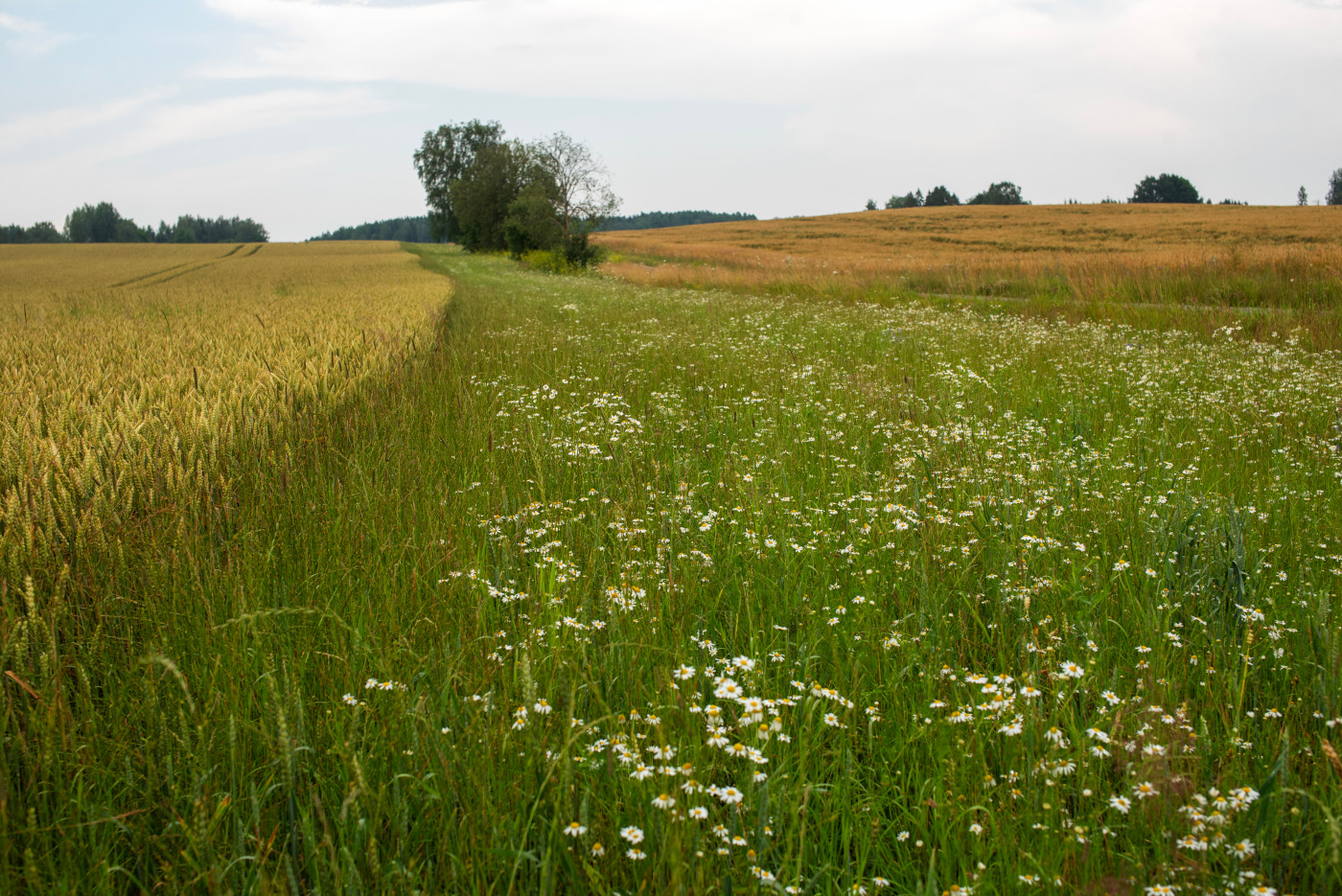
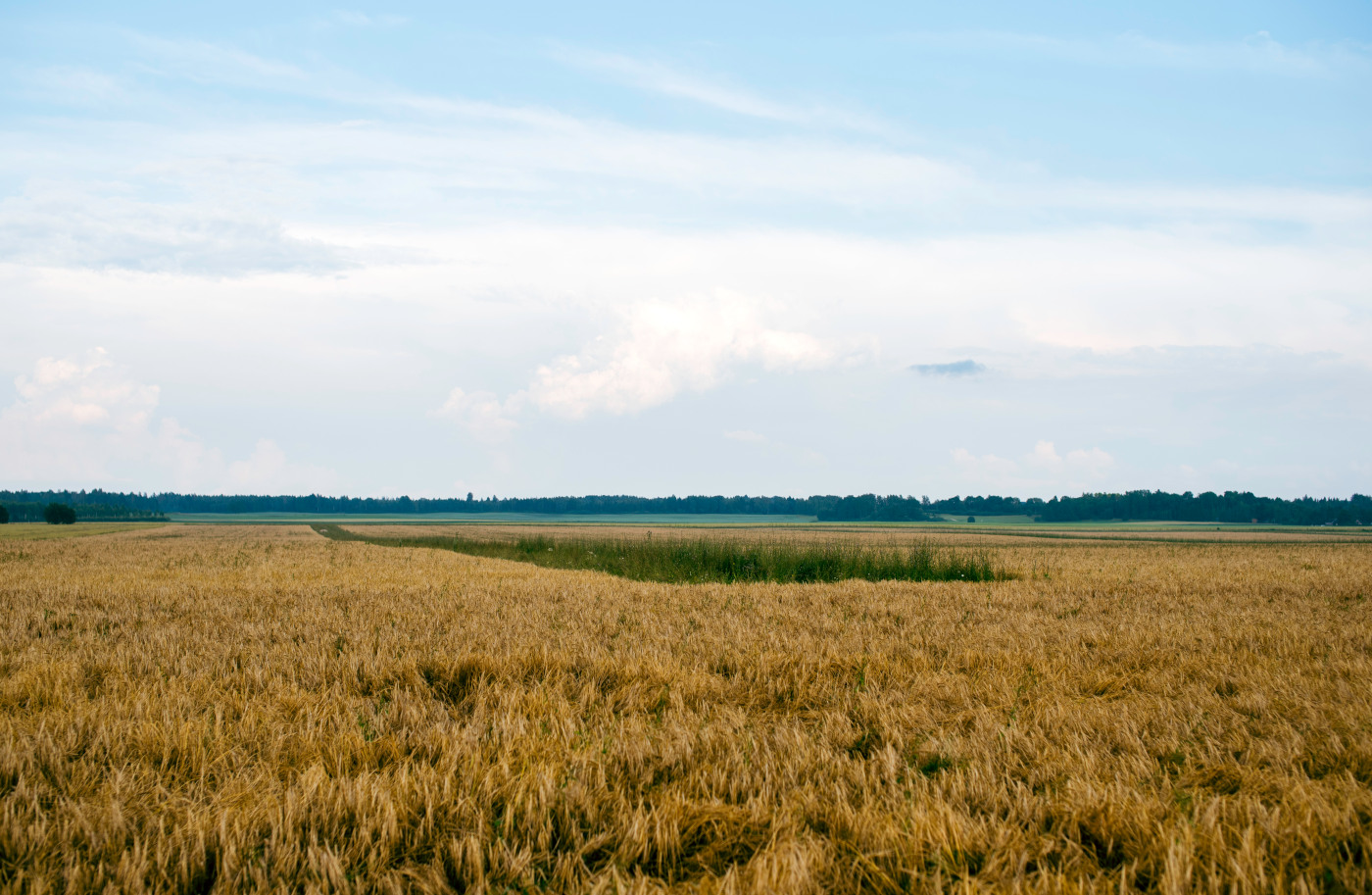
Over the course of two years, in cooperation with farmers, we have established 8–12 m wide grassland strips on grain fields and sowed various seed mixtures in order to delineate fields, increase soil fertility, and attract field birds, pollinators, and the natural enemies of field pests.
While researchers from the University of Tartu studied the plants and pollinators that established themselves in the grassland strips, researchers from the University of Life Sciences studied the pests and living in them.
‘Although a larger analysis is still ahead of us, we can conclude that the grassland strips have been successful,’ says Krista Takkis, a restoration ecologist at the University of Tartu. ‘You can see knapweeds, yarrows, ox-eye daisies, and wild carrots. We don’t expect everything sown in the grassland strip to show themselves in the first year; some plants may only appear after five or six years’ time, he adds.
There were many hoverflies in the strips, whose larvae eat aphids; weeds, mainly plume thistles and mugworts, are present in greater numbers where the backdrop of weeds is also greater than before.
Surprisingly, chicory predominates in some places is in the grassland strip, which is why fewer chicory seeds were sown last year, based on observations in Sadala’s arable land the previous year. ‘Chicory is attractive in its own right because it attracts both bees and predators of pests. However, if it becomes overly dominant, it starts to prevent the presence of other species,’ adds Krista. Mowing earlier helps to reduce chicory.
However, the photo lens observed the monitoring work in Mäemõisa. On one of the grassland strips there, on the edge of which there are also some old trees, you can see bees nesting in the woods and a rare beetle with long antennae, a musk beetle, whose larvae live in the trunks of the old willows.
While only a few trees at the edge of a field can significantly increase the surrounding biodiversity, field islands provide habitats for even more species that would not otherwise be able to live in arable landscapes.
Three species mixtures are mainly used on our grassland strips:
- a so-called base mix of six grass species, common bird's-foot trefoil, and common chicory (8 species);
- a temperate mix (8+26 species) of natural seeds has been added to the base mixture, and
- a beneficial mix of species that attract various predators of field pests (8+20 species).
In addition, in some places it was possible to use special mixtures suitable for the region, for example, Kalmer Visnapuu in Lääne-Virumaa used seeds collected directly from alvar grasslands without any agricultural base mixture. On the other hand, Organic farmer Raimond Pihlap sowed sunflowers on his fields, which can later be used as mulch.
The movement of species from grassland strips to weeds in the field is not particularly noticeable. Only in the field at the Järva County Vocational Education Centre has the number of creeping thistles increased, with the species occasionally appearing in large numbers on the strips.
It will take a few more years to see the results, but compared to last year, it is already clear that the vegetation on the strips will become more beautiful, different wild species will emerge from the ground, and there will be an abundance of pollinators will soon be present. It is important to use the right techniques to maintain the strips, mow the weeds at the right time and clear the meadows to prevent an excessive build-up of debris.